Do Cat Flaps Make Your House Cold? Facts vs Myths
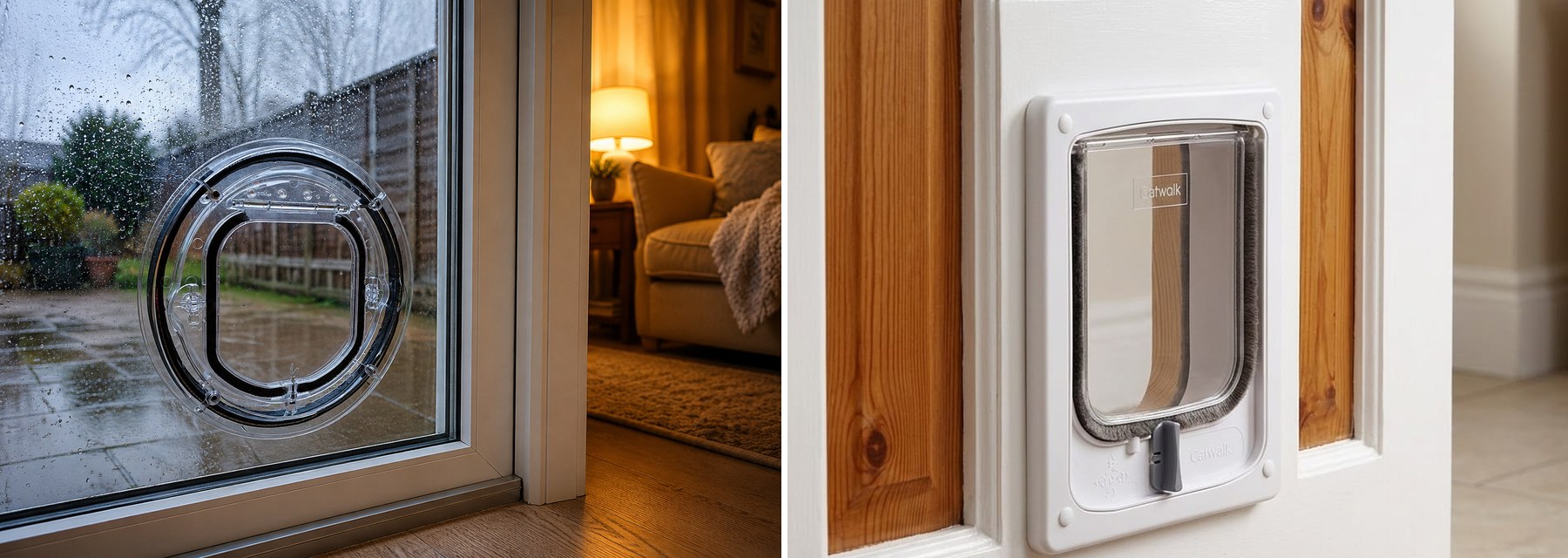
No — a quality, well-sealed cat flap does not make your house cold. The flap is a small, gasketed panel that seals shut between uses. The meaningful winter heat loss in most cat households comes from repeatedly opening the full door for the cat — which a cat flap eliminates. In double glazed homes, dual glaze models preserve the sealed unit's insulation.
It's the number one hesitation before buying a cat flap, especially in a double glazed home, especially in a New Zealand winter: "won't it make the house cold?" The short answer: a quality, well-sealed flap has a far smaller effect than most people assume, and far smaller than the alternative of opening the whole door for the cat several times a day. Here's the myth-by-myth breakdown, and the handful of choices that actually determine whether a pet door affects your warmth.
- A closed, sealed flap is a small, gasketed panel; the meaningful heat loss in most homes comes from opening the entire door for the pet, repeatedly, all winter.
- Double glazed homes keep their insulation by using dual glaze pet door models, which seal the unit at the cut-out.
- Draughts come from worn or cheap flaps, not from flaps as a category. Seals and flap condition are what matter, and both are replaceable.
The Myths, Tested
"A cat flap is basically a hole in your door."
A cat flap is a hole with a sealed, self-closing panel in it — which is also a fair description of your front door. A Catwalk® flap closes flush against its frame with sealing around the opening, and gravity plus the seal hold it shut against normal wind pressure. The "hole in the wall" only exists during the second or two your cat is passing through. Compare that to the full door being held open while a cat decides whether it's coming in.
"You can't put a flap in double glazing without ruining the insulation."
The dual glaze models exist precisely for this: the sealed unit is closed off around the cut-out, so the rest of the unit keeps insulating exactly as designed, and the flap itself is the only local change. How the sealed unit is handled, including toughened glass and low-E units, is covered in pet doors in toughened & double glazed glass and cat flaps in double glazed glass. The body itself is weather-thought-through too: its internal draft angles are shaped so rain that gets driven into the frame drains back out instead of pooling — trapped water is how lesser doors end up mouldy and corroded.
"Pet doors are always draughty."
Draughts have causes: a warped cheap flap, perished seals, or a flap that's been chewed and never replaced. Quality UV-stabilised polycarbonate doesn't warp or go brittle in NZ sun, and every Catwalk® seal and flap is replaceable as a spare part, including on doors fitted 20+ years ago. A draughty flap is a maintenance item, not a life sentence. On a Catwalk® door the gap between flap and body is machined to next to zero tolerance and closed with a full brush seal; there is no daylight around the flap's edge for a draught to use.
"Once it's in, you can't do anything about cold nights."
Every Catwalk® door has a 4-way manual lock. On a southerly-storm night, set it to fully locked (with the litter tray on standby) or in-only, and the flap is a rigid sealed panel until morning. No batteries, nothing to remember to charge.
"A bigger flap means a colder house."
A correctly sized flap seals the same whether it's cat-size or dog-size: closed is closed. What matters is the fit and seal condition, not the flap area. Size for the pet using it (per the measuring guide) and let the seals do their job.
The biggest pet-related heat loss is the human door.
Every time you open a full-height exterior door to let the cat in or out, you exchange a doorway's worth of warm air, and in most cat households that's many times a day, all winter. A flap replaces those full-door openings with a two-second cat-sized pass. That trade is why pet doors, done properly, tend to make homes easier to keep warm, not harder; the full argument with practical tips is in keeping your home warm with a pet door.
The Warm-Home Checklist
- Position out of the prevailing wind where the layout allows: a sheltered side or porch-protected door beats the exposed southerly face.
- Double glazed home? Dual glaze model. The multi-magnetic model suits sealed units to 26mm and the maxi dual glaze models to 28mm; dog models to 32mm.
- Check the seals each winter: a two-minute look; replace worn flaps or seals from spares.
- Use the 4-way lock on the worst nights or whenever the cat is in for the evening.
- Size correctly: a flap the cat glides through swings and re-seats cleanly; one they push and squeeze through gets knocked out of alignment over time.
Frequently Asked Questions
Warm home, free-range cat — pick the right model
Enter your cat's measurements and your glass type. The door finder returns the exact Catwalk® model for your home.
Find My Cat Door →